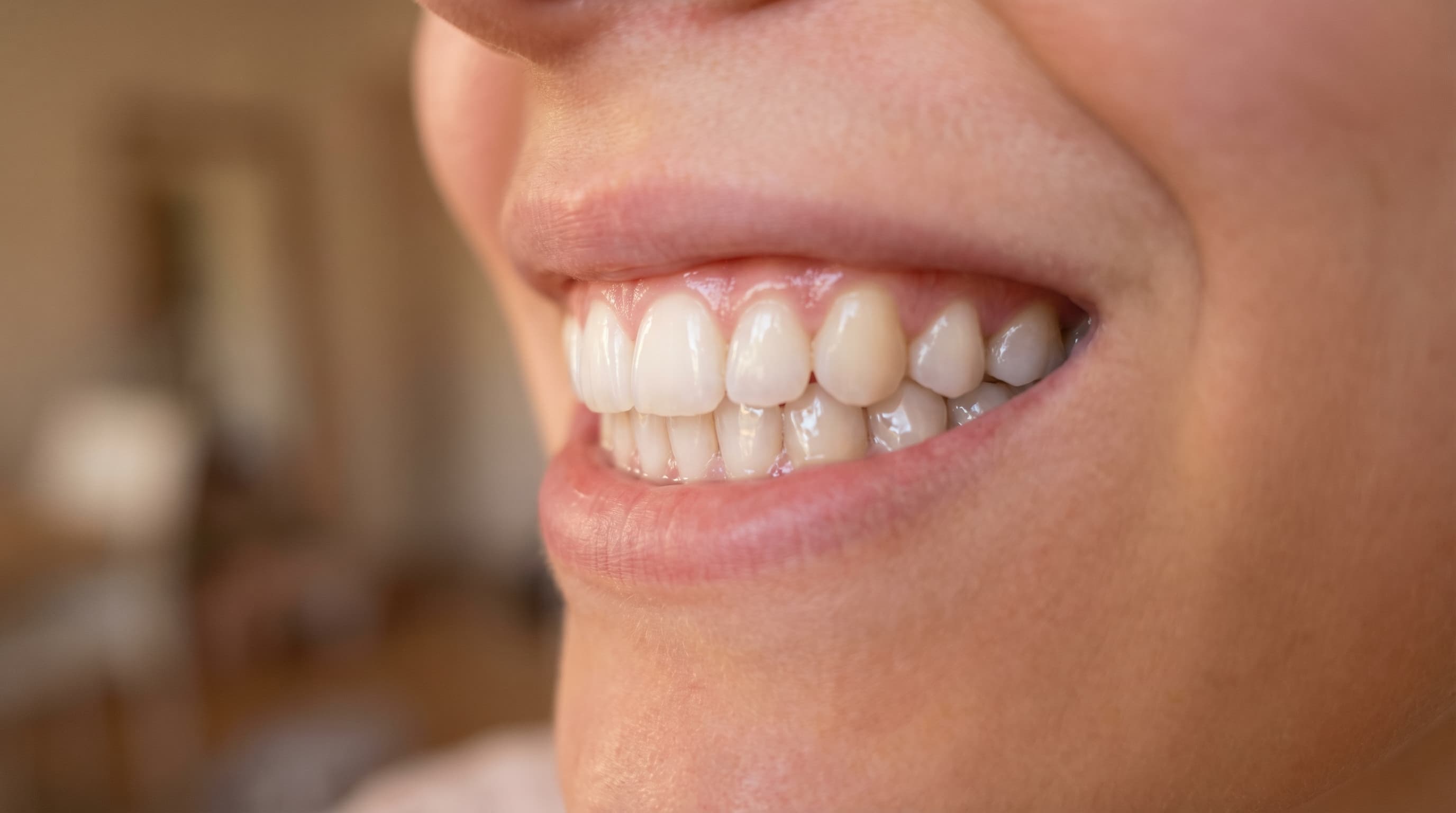
Best Whitening Toothpaste 2026
Most whitening toothpastes don't work. The ones that do contain either hydrogen peroxide or carefully calibrated abrasives. We tested the top options to find the ones worth buying.
Our Top Picks
Affiliate disclosure: We earn a commission on purchases made through our links, at no extra cost to you.
How whitening toothpaste actually works
There are two mechanisms: chemical whitening (hydrogen peroxide breaks down stain molecules) and mechanical whitening (gentle abrasives polish away surface deposits). The best toothpastes use one or both.
What whitening toothpaste can't do is change your natural tooth color. If your teeth are naturally yellowish (the dentin showing through thin enamel), no toothpaste will make them Hollywood-white. For that, you need professional whitening or veneers.
What it can do is remove extrinsic stains - the surface discoloration from coffee, tea, wine, tobacco, and certain foods. Most people have significant surface staining, which means a good whitening toothpaste will make a visible difference.
The RDA number: why it matters
Every toothpaste has a Relative Dentin Abrasivity (RDA) score. The FDA considers anything under 250 safe, but dentists recommend staying under 150 for daily use. Highly abrasive whitening toothpastes (RDA 150+) can wear down enamel over time, making teeth more yellow as the darker dentin layer shows through.
0-70
Low abrasion
Safest for daily use. Sensodyne, Arm & Hammer.
70-150
Medium abrasion
Fine for most people. Colgate, Crest.
150+
High abrasion
Use sparingly. Some charcoal toothpastes.
Detailed Reviews
#1 Pick

Colgate Optic White Pro Series
The Pro Series contains 5% hydrogen peroxide - the same active ingredient dentists use, just at a lower concentration. This is the most effective whitening toothpaste you can buy without a prescription.
#2 Pick

Sensodyne Pronamel Gentle Whitening
If you wince at cold water, this is your pick. Sensodyne Pronamel whitens with gentle polishing agents instead of peroxide, so it won't trigger sensitivity. It also re-mineralizes enamel - fixing the problem, not just masking it.
#3 Pick

Crest 3D White Brilliance
The classic whitening toothpaste that delivers consistent results at a fair price. Crest 3D White uses a polishing formula that removes surface stains from coffee, tea, and wine without harsh abrasives.
#4 Pick

Lumineux Whitening Toothpaste
For those who want to avoid chemicals entirely. Lumineux uses coconut oil, Dead Sea salt, and plant-based ingredients. Whitening is gradual but real - clinical studies showed measurable results after 30 days.
#5 Pick

Arm & Hammer Advance White
Baking soda is a proven gentle whitener - it's mildly abrasive enough to remove surface stains without damaging enamel. At under $5, this is the best whitening toothpaste for anyone on a budget.
What about charcoal and natural whitening?
Charcoal toothpaste is trendy but problematic. Most charcoal formulas are highly abrasive (RDA 150+), which removes enamel along with stains. They also lack fluoride in most cases. The ADA has not approved any charcoal toothpaste for safety or effectiveness.
Oil pulling (swishing coconut oil) may reduce bacteria but has no proven whitening effect. Baking sodais the one natural ingredient with real evidence - it's a gentle abrasive that effectively removes surface stains, which is why Arm & Hammer made our list.
FAQ
How long does whitening toothpaste take to work?
Peroxide-based formulas (like Colgate Pro Series) show results in 3-7 days. Polishing-based formulas take 2-4 weeks. If you don't see any difference after 4 weeks, the toothpaste isn't working for your type of staining.
Can whitening toothpaste damage enamel?
Not if you choose one with a reasonable RDA score (under 150). Peroxide-based whitening is actually gentler on enamel than abrasive whitening. Avoid charcoal toothpastes and anything that feels gritty.
Should I use whitening toothpaste every day?
Most modern whitening toothpastes are designed for daily use. If you experience sensitivity, alternate with a sensitivity toothpaste (like Sensodyne) every other day.
Does whitening toothpaste work on crowns and veneers?
No. Whitening agents only work on natural tooth enamel. Crowns, veneers, and bonding will not change color. This can create a mismatch if you whiten significantly - talk to your dentist first.
Is professional whitening better?
Yes, significantly. In-office whitening uses 25-40% hydrogen peroxide (vs. 5% in toothpaste) and can lighten teeth 3-8 shades in one session. Whitening toothpaste is best for maintenance after professional treatment, or for mild surface staining.
Is your whitening routine working?
Get a free Grin Score to measure your staining level and track how it changes over time.